Virtual power plants (VPPs): how they work in the UK
Virtual power plants (VPPs) connect home batteries and other energy assets to support the electricity grid. Discover how they work, explore UK providers and find out how homeowners can benefit from participating.
What is a virtual power plant (VPP)?
A virtual power plant (VPP) is a network of connected energy devices that are coordinated using software to work together like a single power plant.
Rather than relying on one large physical power station, a VPP brings together lots of smaller energy resources, such as home batteries, solar panels and electric vehicles, and manages them as one combined resource.
It's called a virtual power plant because the energy assets are spread across different locations, rather than being housed in one physical facility.
For example, thousands of homes across the UK could connect their home batteries to a VPP. Individually, each battery is relatively small, but together they can provide a significant amount of energy storage and flexibility to support the electricity grid.
How does a virtual power plant work?
A virtual power plant uses smart software to monitor and coordinate connected energy devices, adjusting how and when they generate, store or use electricity depending on what the grid needs.
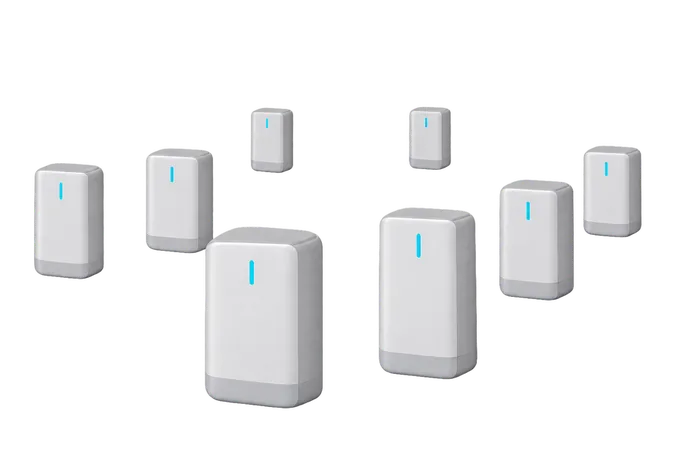
The process typically works in four steps:
1. Energy devices connect to the VPP
Homeowners and businesses connect compatible energy devices, such as batteries, solar panels and EV chargers, to a VPP provider. These devices communicate with the provider's software, allowing their energy usage and availability to be monitored.
2. Software monitors energy supply and demand
The VPP platform monitors the connected devices alongside electricity demand, energy prices and signals from the grid. It uses this information to work out how much flexibility its network can provide and when it's most valuable.
3. Devices respond when needed
When there's more renewable electricity available than the grid needs, the VPP can coordinate devices to use or store more energy, such as charging home batteries. When demand is high or the grid needs additional power, it can coordinate batteries to discharge electricity or reduce energy consumption.
4. The combined energy supports the grid
Each device makes a relatively small contribution, but thousands working together can provide significant flexibility. The VPP provider can offer this combined resource to energy markets and grid operators, helping balance electricity supply and demand.
Depending on the provider and scheme, participating households can earn payments or other rewards in return for making their energy assets available.
What devices can participate in a VPP?
Virtual power plants can connect a range of energy devices, bringing together electricity generation, storage and flexible demand. The exact devices supported will depend on the VPP provider and the services it offers.
Common examples include:
Home batteries
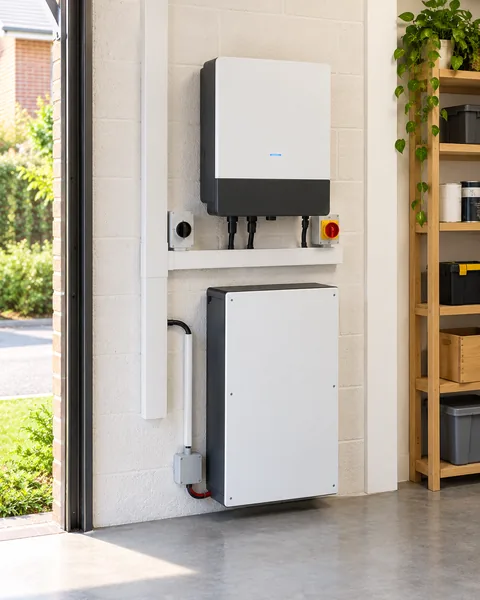
Home battery storage systems are one of the most common assets in residential VPPs. They can store electricity when it's cheap or there's a surplus of renewable energy, then discharge it when the grid needs additional power.
Solar panels
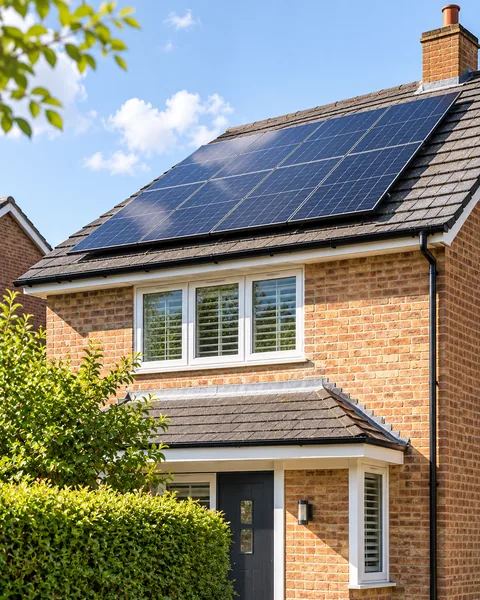
Solar panels generate renewable electricity that can be used locally, stored in a connected battery or exported to the grid. VPPs can coordinate solar generation with other connected devices to make better use of available energy.
Electric vehicles (EVs)
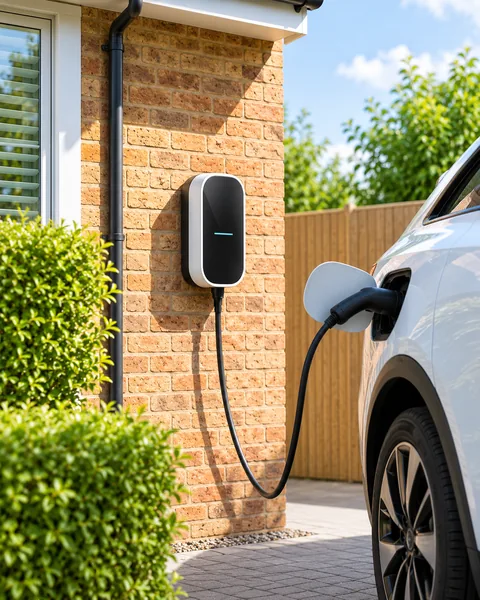
EVs and smart chargers can provide flexibility by adjusting when vehicles charge. With compatible bidirectional charging technology, EVs can also send stored electricity back to the grid, a process known as vehicle-to-grid (V2G).
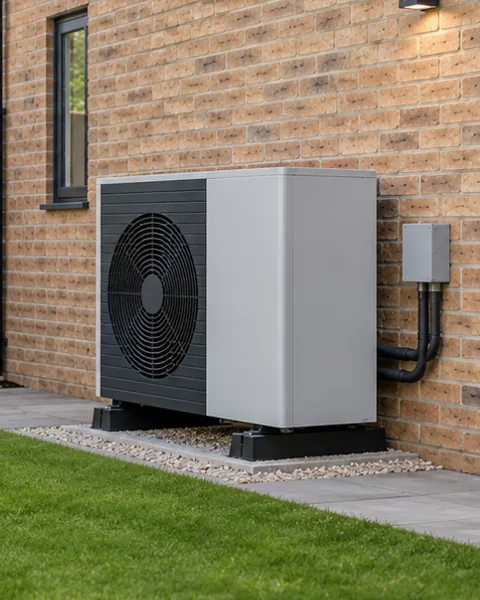
Heat pumps and smart appliances
Heat pumps, hot water systems and other connected appliances can adjust when they use electricity. Shifting consumption away from peak-demand periods helps VPPs balance the grid without necessarily needing to generate or discharge more electricity.
Commercial batteries and energy assets
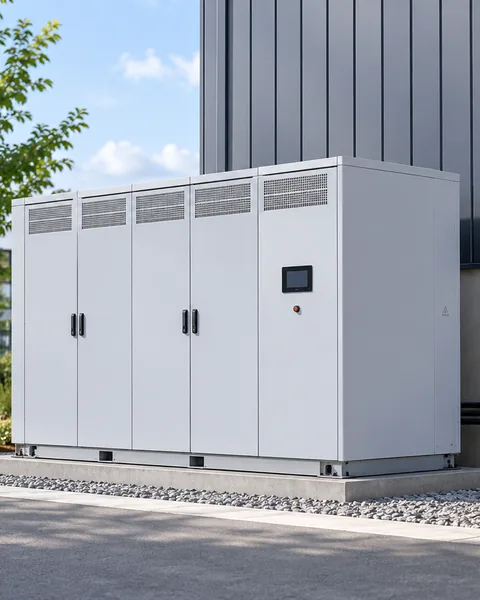
VPPs can also aggregate larger assets, including commercial battery storage, onsite solar generation and flexible industrial electricity demand. These can make a significant contribution to the combined capacity of a VPP.
Not every VPP supports all these devices. Some focus on large-scale commercial energy assets, while others specialise in residential batteries and solar systems. For homeowners, it's worth checking which battery brands and inverters a provider supports before joining.
Why are virtual power plants important in the UK?
The UK's electricity system is changing rapidly. As the country moves towards cleaner energy, the grid is becoming increasingly reliant on renewable sources like wind and solar, while electricity demand is expected to grow as more homes, vehicles and industries move away from fossil fuels.
Virtual power plants can play an important role in managing this transition by making the electricity system more flexible.
- 55.8%UK electricity from renewables in Q2 2026
- 51–66 GWClean flexibility target by 2030
- 10–12 GWConsumer-led flexibility target by 2030
Sources: DESNZ Energy Trends, September 2026; Clean Flexibility Roadmap. UK and Great Britain system-level figures.
Making better use of renewable energy
Renewable electricity generation is growing rapidly in the UK. In Q2 of 2026, renewables accounted for a record 55.8% of total UK electricity generation.
However, renewable generation depends on the weather, meaning electricity supply doesn't always match demand. VPPs can help make better use of renewable energy by coordinating batteries and other flexible devices to store surplus electricity and make it available when it's needed.
Balancing a growing electricity demand
As more households adopt electric vehicles and heat pumps, and industries increasingly electrify their operations, demand for electricity is expected to rise.
The government's Clean Flexibility Roadmap recognises the need for significantly more flexibility to manage this growth. It aims for 51–66 GW of clean flexibility capacity by 2030, including 10–12 GW from consumer-led flexibility.
VPPs can contribute to this by bringing together smaller energy assets, such as home batteries, EV chargers and smart appliances, to help balance supply and demand.
Giving households a role in the UK's energy transition
VPPs also give homeowners an opportunity to contribute to the wider electricity system. Rather than energy flexibility being limited to large power stations and commercial facilities, households with compatible devices can participate too.
By connecting their home batteries and other energy devices to a VPP, homeowners can help support the grid and, depending on the scheme, earn financial rewards for making their assets available.
UK VPP providers: Which virtual power plant companies are available?
Several companies are now offering or developing virtual power plants and home energy flexibility schemes in the UK. However, they differ in which devices they support, how homeowners are rewarded and how much control you retain over your energy setup.
Here are some of the main options for households.
Axle Energy

Axle operates an independent virtual power plant that connects compatible home batteries across multiple inverter brands. It pays £1 for every kWh exported during grid events, with any existing export tariff payments continuing as normal on top.
Axle works with any UK energy supplier and most tariffs, so there's no need to switch. Unlike schemes that optimise your battery throughout the day, Axle only takes control during grid events. Your usual battery schedule resumes afterwards, and you can opt out of any individual event.
Octopus Energy – Charge Pack

Octopus Energy's Charge Pack is a smart battery add-on that automatically optimises home batteries to reduce energy costs and participate in grid flexibility sessions.
It manages battery charging and discharging both for everyday tariff optimisation and when the grid needs support. You need to be an Octopus customer on an eligible import tariff and Outgoing Octopus export tariff, with a compatible battery and smart meter.
Customers are automatically opted into all grid sessions and cannot opt out of individual events, although they can leave Charge Pack altogether. It also cannot be combined with other third-party smart battery optimisation services.
E.ON Next – Flex Fleet

E.ON is developing its own residential virtual power plant through Flex Fleet, backed by a £4 million investment to deploy 1,000 home batteries across the UK.
The initiative aims to coordinate batteries across multiple households to reduce energy costs and support local electricity networks. Details of wider customer eligibility and participation arrangements are still emerging.
EDF Energy – PowerShift

EDF operates PowerShift, its virtual power plant platform, which aggregates flexibility from connected energy devices.
One example is its partnership with Hypervolt, whose Ultra Mode rewards eligible EV owners for smart charging. It automatically shifts EV charging to cheaper, cleaner periods and allows EDF to aggregate the resulting flexibility for energy markets. Hypervolt says the service works with any energy supplier and tariff.
This is primarily an EV charging flexibility offering rather than a home battery VPP.
| Provider | Residential focus | Works with any supplier? | Control over events |
|---|---|---|---|
| Axle | Home batteries | Yes | Keep your schedule; opt out of any event |
| Octopus | Home batteries | No – eligible Octopus tariffs | Automatically enrolled in all sessions |
| E.ON | Home batteries (Flex Fleet) | Not yet clear | Details emerging |
| EDF / Hypervolt | EV charging | Yes | Can override or skip events |
How much money can you earn from a virtual power plant?
With Axle, you earn £1 for every kWh your home battery exports during a grid event. Events typically happen 3–6 times a month, although the exact number depends on when the electricity grid needs support.
How much you earn depends on your battery size and how much stored electricity it can export during each event. To give you an idea, here are some typical monthly earnings for different home battery sizes, by the number of grid events in a month:
| Battery | Export per event | 3 events | 4 events | 5 events | 6 events |
|---|---|---|---|---|---|
| 5 kWh | 1.5 kWh | £10 | £10 | £10 | £10 |
| 10 kWh | 2.5 kWh | £10 | £10 | £12.50 | £15 |
| 15 kWh | 3.5 kWh | £10.50 | £14 | £17.50 | £21 |
These are illustrative examples based on typical battery exports, with Axle's £10 monthly minimum applied.
Every Axle participant receives at least £10 per month, even during quieter months when there are fewer grid events or their battery exports less electricity. If your event earnings total less than £10, Axle tops them up to the minimum.
And because Axle's payments are separate from your existing electricity export tariff, you can continue earning from exporting electricity through your energy supplier as normal.
See if your battery is supported →VPPs vs the Demand Flexibility Service (DFS): What's the difference?
Virtual power plants (VPPs) and the Demand Flexibility Service (DFS) are closely related, but they're not the same thing. Both help balance the electricity grid, but they work in different ways.
What is the Demand Flexibility Service?
The Demand Flexibility Service (DFS) is a scheme operated by the National Energy System Operator (NESO), which manages Great Britain's electricity system.
It allows households and businesses to earn rewards for changing when they use electricity to help balance the grid. Traditionally, this meant reducing electricity consumption during periods of high demand, such as winter evenings.
DFS has since evolved to include increasing electricity consumption when there's a surplus of available electricity, such as during periods of high renewable generation.
Households participate through registered energy suppliers and flexibility providers, who coordinate participation in DFS events and distribute rewards.
How is a VPP different from DFS?
A virtual power plant is a network of connected energy devices, such as home batteries, solar panels and EV chargers, coordinated by a provider to act as one combined energy resource.
Rather than being a specific scheme, a VPP is a way of bringing together and managing distributed energy assets. Providers can then offer their combined flexibility to different electricity markets and grid services, including the Demand Flexibility Service.
Axle is a registered DFS provider, but its virtual power plant can access a wider range of flexibility opportunities. By connecting home batteries across multiple inverter brands, Axle can coordinate stored energy to support the grid and reward participating homeowners. Read more about short notice events and the DFS.
How to choose a virtual power plant provider
Not all virtual power plants work in the same way. Before joining one, it's worth comparing how providers manage your energy devices, how they reward participation and how much control you'll retain.
Here are five things to consider:
Battery and inverter compatibility
Check that the provider supports your home battery and inverter. Some VPPs only work with specific manufacturers, while others support multiple brands.
Electricity supplier and tariff requirements
Some schemes require you to switch energy supplier or move to a specific tariff. Others, like Axle, work with any UK energy supplier and most tariffs, allowing you to keep your existing energy deal and export arrangements.
Battery control and flexibility
Find out when and how the provider controls your battery. Does it optimise charging throughout the day or only during grid events? Will you receive advance notice, and can you opt out of individual events?
How much you can earn
Understand how rewards are calculated. Are you paid per kWh exported or given a fixed monthly reward? Are there minimum payments, and are rewards on top of your existing export tariff?
Battery usage and warranty
Check how frequently your battery might be used, whether its operating limits are respected and whether participation affects your battery warranty or expected lifespan.
Ultimately, the right VPP provider depends on your battery, electricity tariff and how much control you want to retain.
How to join Axle's virtual power plant
Joining Axle is free and takes less than five minutes. You don't need to change your electricity supplier, install any new equipment or have solar panels.
Here's how to get started:
1. Check your battery compatibility
Axle works with batteries connected to compatible inverters from brands including Fox ESS, GivEnergy, Solis, SolaX, Sigenergy, AlphaESS and SolarEdge. Check supported batteries and inverters.
2. Get your details ready
You'll need a working smart meter, a recent electricity bill (from the last three months) and access to your battery's app or online account.
3. Sign up and connect your battery
Create your free Axle account, upload your electricity bill and connect your battery by logging into your inverter's app or portal. There's nothing to install.
4. Start earning
Once connected, your battery can start participating in grid events. You'll receive advance notice of each event, can opt out whenever you like and earn £1 for every kWh exported, with at least £10 guaranteed each month.
Frequently asked questions
VPP stands for Virtual Power Plant. It's a network of connected energy devices, such as home batteries, solar panels and EV chargers, coordinated through software to work together like a single power station.
Related guides
Short notice events
Grid events announced on the day, often for the Demand Flexibility Service. Opt in if you'd like to take part.
Read more →The Optimiser
Let Axle plan your battery every day around your tariff, your solar and your home.
Read more →FAQ
Answers on earnings, payments, tariffs, supported batteries and more.
Read more →